
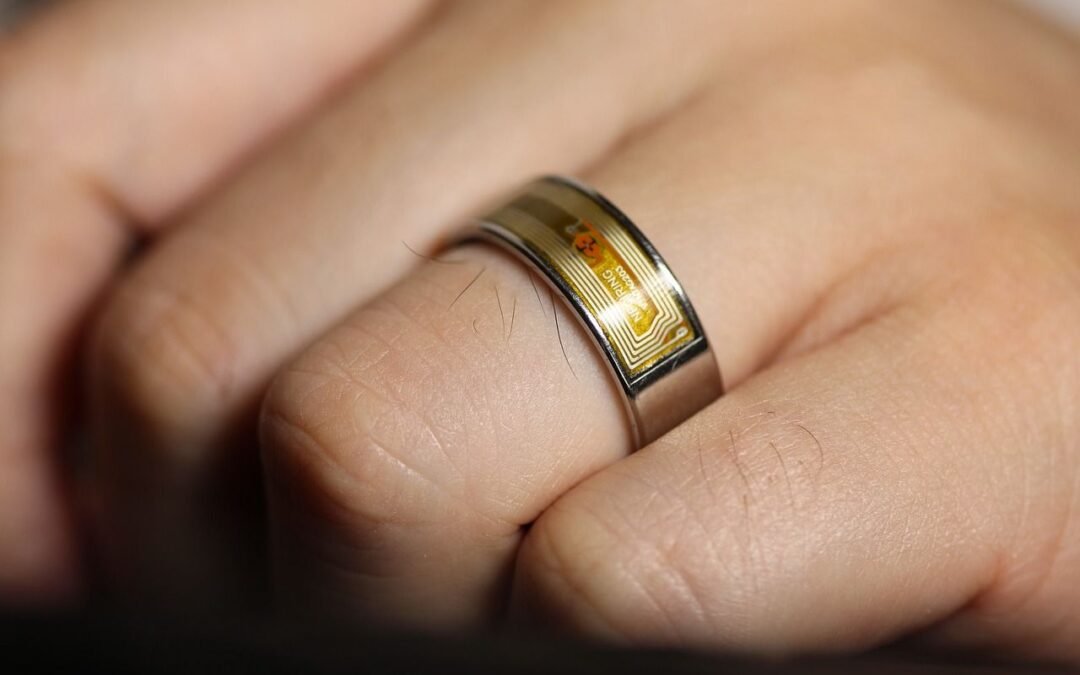
Smart wedding rings, or more accurately, smart rings with a wedding band design, have recently gained attention for their potential role in preventing strokes by detecting early signs of atrial fibrillation (AFib). AFib is a common heart rhythm disorder that significantly increases the risk of stroke if left undetected or untreated. These smart rings are not equipped with real-time stroke prevention technology, but they do offer continuous health monitoring features such as heart rate tracking, sleep analysis, and rhythm irregularity alerts.
One of the latest advancements in this area includes the Ultrahuman Ring AIR, which features an FDA-cleared tool designed to monitor users during sleep and detect abnormal heart rhythms like AFib. By identifying irregularities early, these rings can prompt users to seek medical advice before a serious condition such as stroke develops. Similarly, other smart rings, like the CART-I ring, have shown high accuracy in detecting abnormal heart rhythms, often matching or even surpassing the performance of more widely known devices like the Apple Watch.
Although these rings are worn like traditional wedding bands and are marketed for both health and lifestyle, they are not medical devices in the strictest sense. However, their ability to provide early warnings may help users take timely action and reduce the risk of stroke.